
Spray foam guide
How To Stop Heat Loss With Air Sealing
Heat escapes through holes first. Seal the holes. Then insulate. That order matters.
- Simple guide
- Vancouver homes
- No fluff
- Call for a quote
Rule
Air leaks beat R-value.
A wall can have insulation and still feel cold if air moves around it. Air carries heat and moisture. That is why air sealing is the boring job that changes comfort.
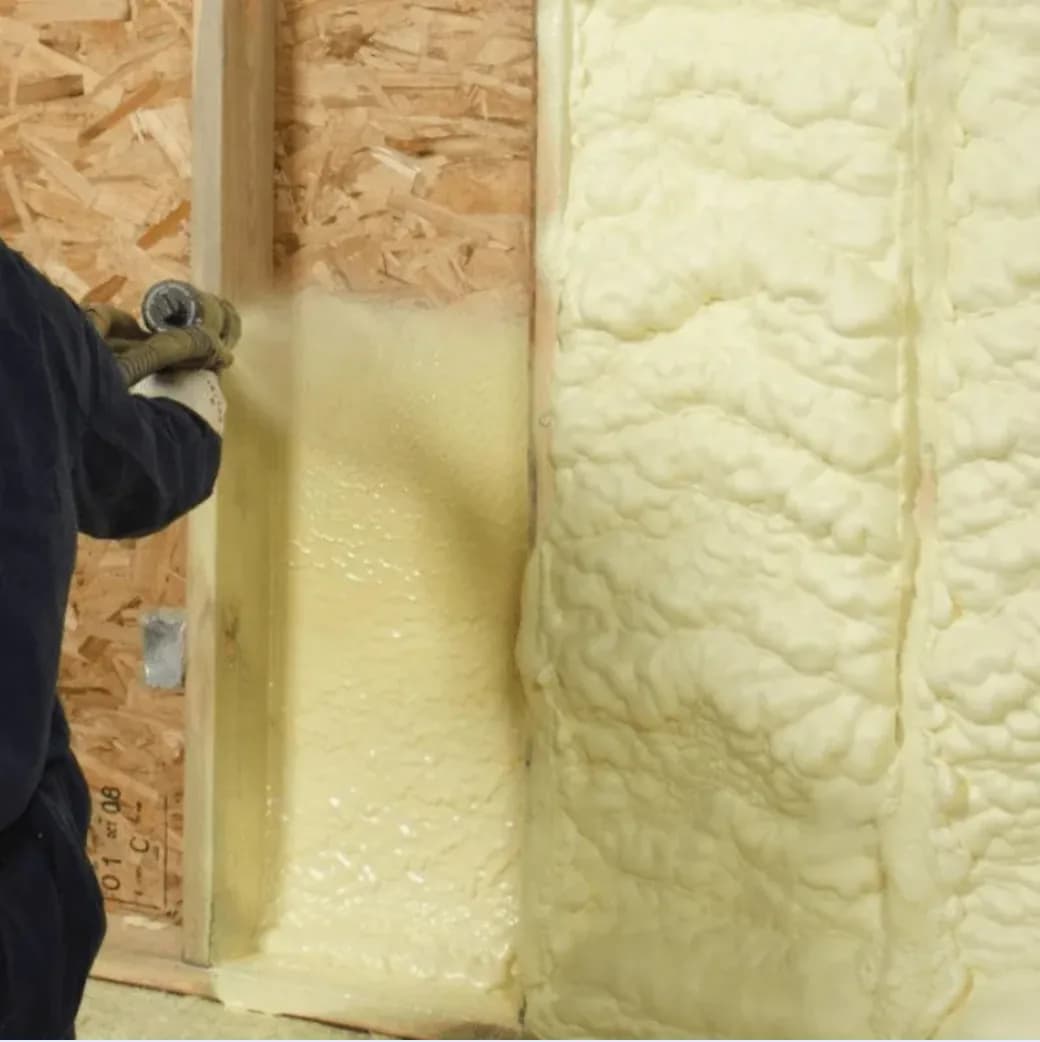
Spray foam helps because it expands into cracks, edges, and awkward pockets.
- Rim joists
- Attic hatches
- Pipe holes
- Wire penetrations
- Garage ceilings
- Crawl space walls
Find leaks
Look at transitions.
Most leaks sit where one material meets another. Wood to concrete. Wall to ceiling. Pipe to framing. Hatch to drywall. Beam to rim board.
Those edges are small. The comfort loss is not.
- Concrete to wood
- Roofline joints
- Mechanical penetrations
- Cantilevers
- Band joists
- Old renovation seams
Fix
Use the right seal.
Spray foam is strong for bigger irregular cavities. Caulk, gaskets, tapes, and rigid board can be better for other details. A good insulation plan uses the right tool, not one tool everywhere.
We quote the detail, not the buzzword.
- Closed-cell foam
- Rigid board
- Sealant
- Tapes
- Gaskets
- Batt backup
About the work
Spray foam insulation needs a careful hand.
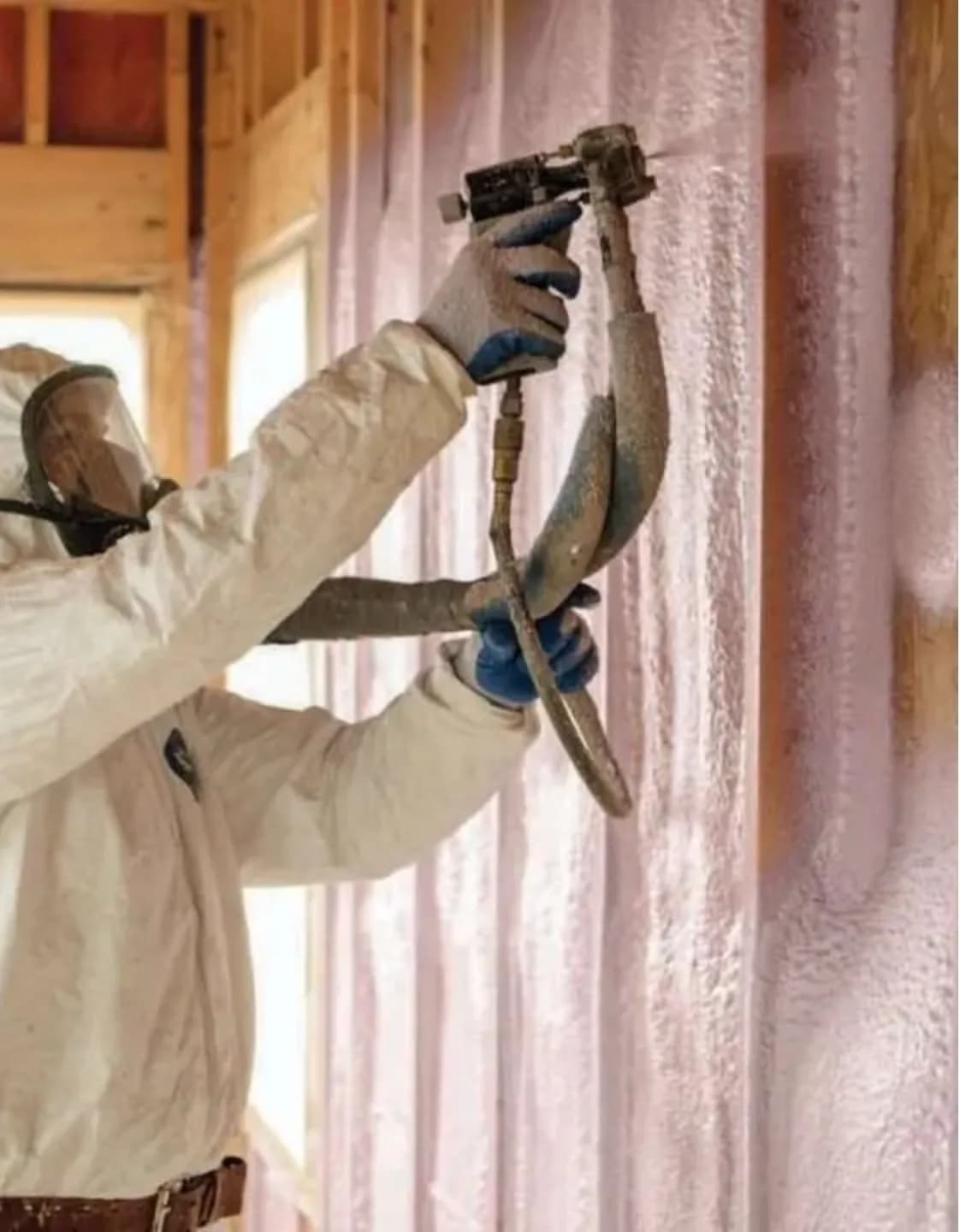
Spray foam insulation work is important, and the person you hire needs to understand more than the spray gun. A Vancouver home can have an old crawl space, a basement suite, a cold garage ceiling, a tight attic hatch, damp rim joists, or a commercial wall that needs the right product in the right place. Here at Spray Foam Insulation Vancity, our job is to look at the space, explain the option that makes sense, and complete the work without turning a simple insulation project into a mess.
We focus on spray foam insulation in Vancouver, West Vancouver, North Vancouver, Burnaby, and the Greater Vancouver Area. If you are searching for a spray foam insulation contractor near me, you probably want someone who can answer basic questions clearly: what foam should be used, how thick it should be, what needs to be protected, what happens around wiring and plumbing, and whether the space needs an ignition barrier or a different insulation approach. Those are normal questions. We deal with them before the work starts.
We like to pinpoint the real issue and then provide the right fix where spray foam is the proper fit. We are not interested in covering up a damp crawl space, spraying over wet wood, or selling foam into an assembly that needs another plan. When the work is properly completed, your home or building can feel warmer, drier, quieter, and easier to heat. That is the point of hiring a spray foam insulation company in Vancouver that takes the building envelope seriously.
- Spray foam insulation contractor near me
- Vancouver BC foam quotes
- Attic, crawl space, basement, and commercial work
- Long-term air sealing focus
Code-ready work
Good foam starts before the truck shows up.
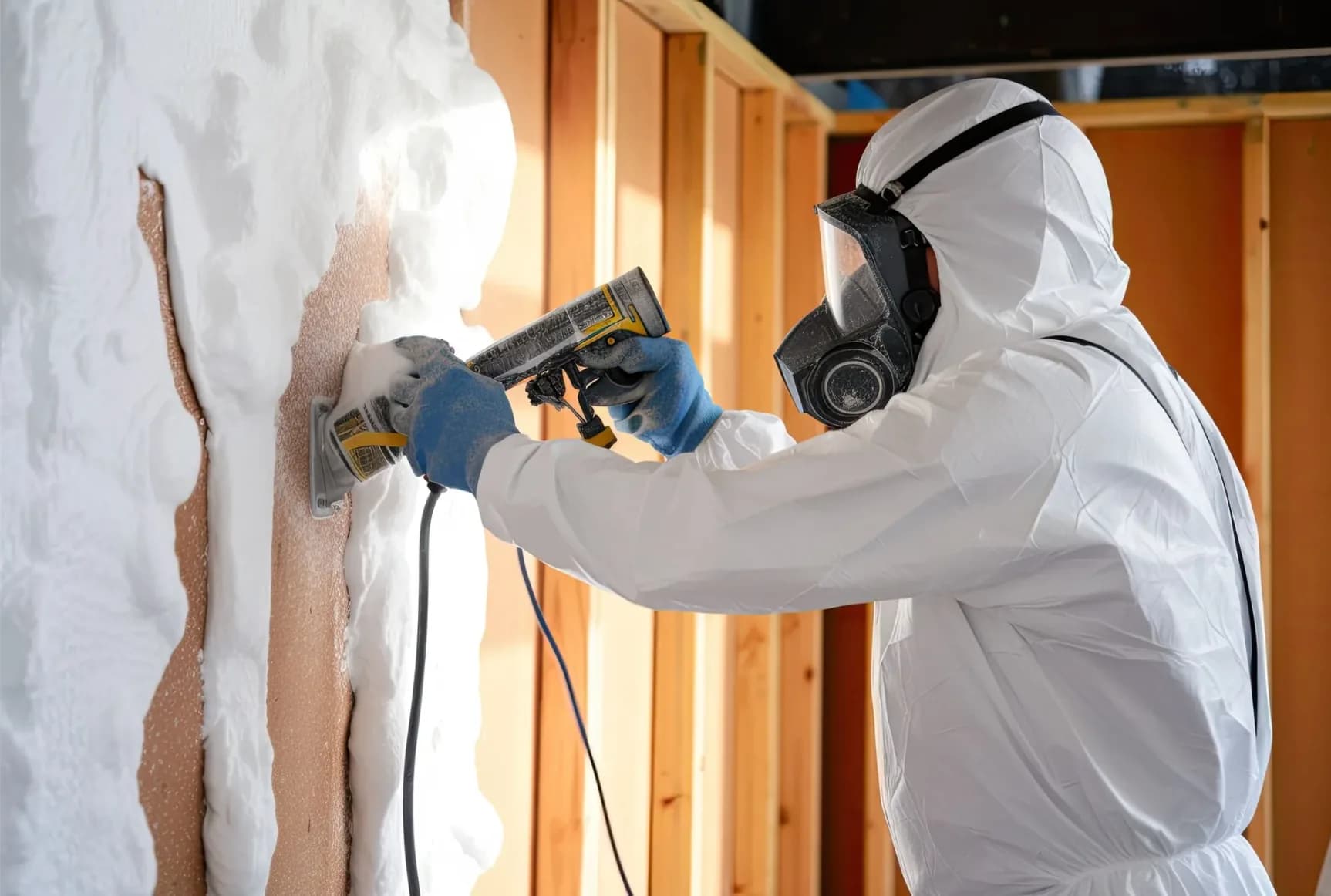
Spray foam is not paint. It becomes part of the building envelope, so the prep matters as much as the material. Before a spray foam insulation job starts, we look at access, surface condition, old insulation, moisture concerns, ventilation details, wiring, plumbing, framing pockets, and what finish is coming after the foam. A clean quote should not be a mystery number on a square-foot line.
For medium-density closed-cell polyurethane foam, BC code references CAN/ULC-S705.1 for the material standard. The exact details still depend on the project, the substrate, the product, the lift thickness, the temperature, the humidity, and the way the space will be used. That matters in Vancouver because a basement, crawl space, attic, garage, strata unit, and commercial shell can all need different planning even when the keyword is the same.
Our approach is simple. Right foam. Right place. Right thickness. Clean site. We explain what needs to happen before the crew sprays, what we will protect, and where a different insulation product may be better than foam. That kind of honesty matters because good spray foam insulation is about comfort, safety, moisture control, and long-term performance, not a rushed day on site.
- Moisture check before install
- Open-cell vs closed-cell explained
- Fire and thermal barrier conversation
- Clean cut lines and sealed penetrations
Vancouver climate
Vancouver weather makes air sealing matter.
Greater Vancouver homes deal with rain, shaded lots, damp crawl spaces, basement suites, older framing, garage ceilings under bedrooms, and heat loss through rim joists, attics, foundation walls, and small framing gaps. Many comfort problems are not only missing R-value. They are air leaks, cold surfaces, and moisture paths that keep letting heat escape or damp air move where it should not.
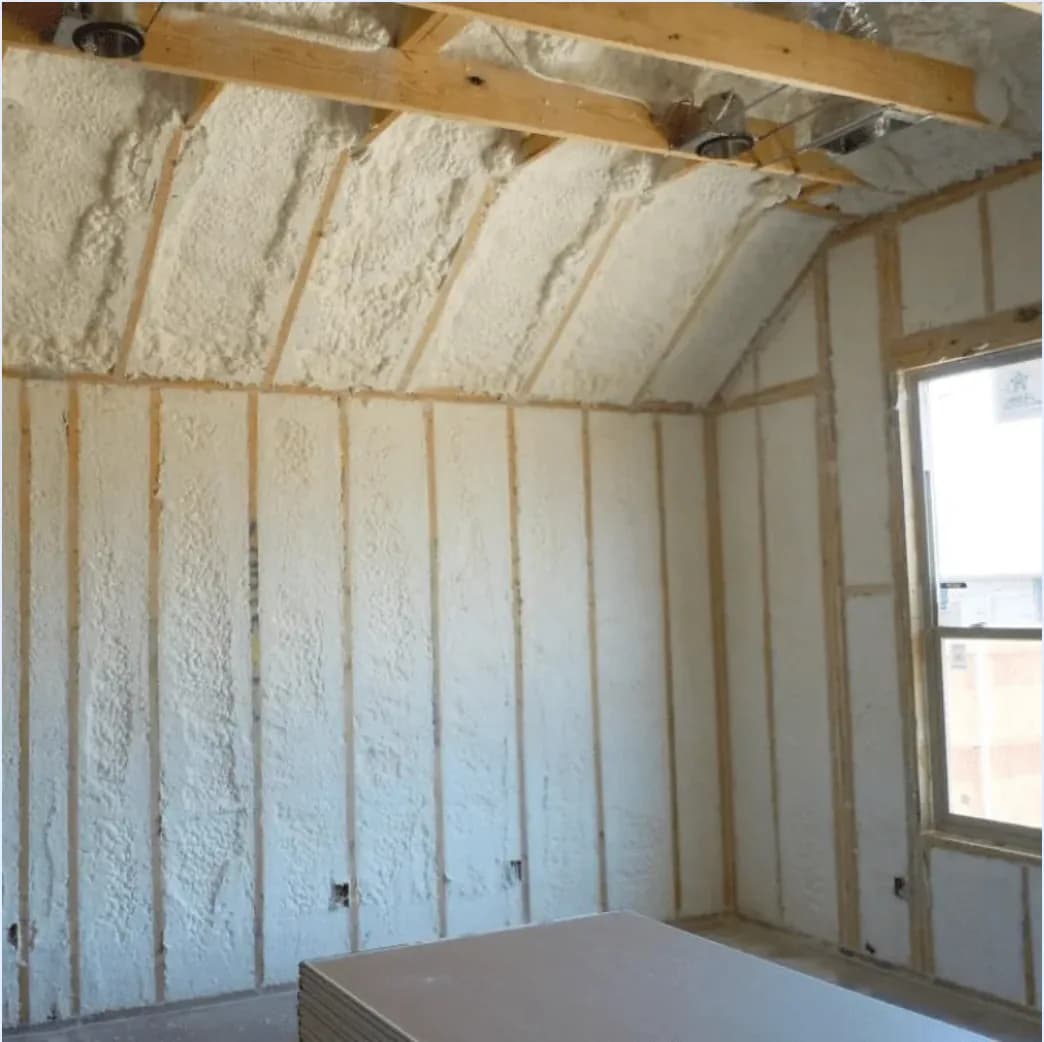
Spray foam helps because it can insulate and air seal at the same time when the assembly is right. Closed-cell spray foam can add a strong air and vapour-control layer in the right location. Open-cell foam can make sense for some interior sound and air-sealing uses. The best answer depends on the wall, roofline, crawl space, basement, garage, shop, warehouse, or renovation detail in front of us.
We do not guess. We look first. Then we quote. Whether you need attic spray foam insulation in Vancouver, crawl space spray foam in North Vancouver, basement spray foam in Burnaby, or closed-cell foam in West Vancouver, the goal is the same: find the real problem, choose the right insulation plan, and complete the work in a way that lasts.
- Crawl spaces
- Rim joists
- Garage ceilings
- Attics and rooflines
- Basement walls
- Commercial metal buildings
Project photos
FAQ
How much does stop heat loss Vancouver spray foam cost?
It depends on access, square footage, thickness, foam type, masking, removal, and whether ignition or thermal protection is needed. Call 604-373-9598 and we will price the real job.
Do you use open-cell or closed-cell foam?
Both can make sense. Closed-cell is common for air sealing, moisture control, and high R-value per inch. Open-cell can fit some interior and sound-control uses. The assembly decides.
Can spray foam help with drafts?
Yes. Spray foam expands into cracks and gaps, so it can reduce air leakage where batts alone leave paths for cold air.
Do I need to leave during install?
Usually yes during spraying and curing. We will explain timing before the job so people, pets, and trades stay clear.
Do you serve all of Greater Vancouver?
Yes. We focus on Vancouver, West Vancouver, North Vancouver, Burnaby, and nearby Lower Mainland areas.